

Upgrading interior concrete surfaces requires a clear understanding of material resilience and chemical bonding properties. Bare concrete easily absorbs automotive fluids, dirt, and moisture, causing the structural aggregate to degrade rapidly over several years. Implementing dense multi-layered resin applications creates a totally non-porous barrier that shields your foundation from structural fractures. Failing to identify hidden floor settling before starting the application ensures the new finish splits open prematurely.
Maximising Chemical Bond Adhesion Performance
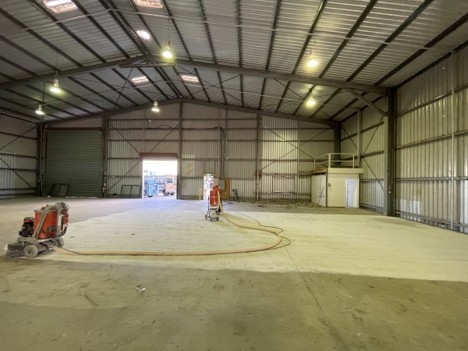
Failing to clean away old curing compounds prevents modern liquid polymers from sticking to the underlying masonry slab properly. Executing thorough mechanical floor preparation processes using heavy walk-behind planetary grinders opens up the tight pores of the stone. This aggressive grinding action creates a rough, sandpaper-like texture that allows the thick base primer coat to anchor itself deep inside. Skipping this vital step means the entire finished surface will eventually bubble up and peel.
Creating Highly Resilient Multicoloured Textures
Spreading colourful vinyl chips across the wet base resin helps mask minor surface imperfections and uneven foundation levels completely. Opting for a full epoxy flake floor build introduces immense multi-directional strength because the dense chip layer adds structural thickness. This dense combination handles the weight of heavy vehicles and rolling toolboxes easily without cracking under heavy impact. The finished aesthetic looks highly modern while providing an extremely durable workspace skin that lasts.
Optimising Safety With Slip-Resistant Additives
Clear glossy topcoats look beautiful but can turn dangerously slick when wet tyres track rainwater inside the building. Incorporating specialised glass beads or fine quartz sand into the final polyurethane glaze gives boots excellent physical traction. This added texture prevents dangerous slips and falls in busy public walkways or residential workshop zones alike. You can adjust the aggregate mix to match your exact daily safety needs perfectly.
Standardising Daily Maintenance Cleaning Routines
Harsh chemical degreasers and acidic cleaning agents gradually dull the clear protective coat if used too frequently. Stick to basic pH-neutral liquid soaps mixed into warm water using clean microfibre mop heads to preserve the gloss. Quick removal of entrained sand particles prevents them from scratching the clean finish during heavy vehicle tyre rotation. Regular sweeping will keep your wonderful new flooring from looking like sandpaper.
Evaluating Longevity Versus Upfront Project Costs
Cheap roll-on floor paints look decent for a few weeks but wear away rapidly under heavy foot traffic. Spending more upfront on commercial-grade multi-layered chemical systems saves substantial money by avoiding costly reapplication down the road. Before choosing the chosen thickness for your future construction and preservation company, test your real-world usage online on the process’s website. Investing in the best materials will ensure that your workspace remains discreet without the need for frequent touch-ups.
Conclusion
Choosing between thin decorative sealers and heavily fortified multi-layered broadcast systems depends entirely on your daily operational activity. Researching advanced options at epoxyflooringredlands.com.au provides property owners with detailed technical data regarding structural lifespans and chemical resistance ratings. Skimping on the initial diamond grinding stage always results in total adhesion failure regardless of the chemical brand used. Professional flooring technicians must test your concrete for deep moisture vapour emissions before finalising an active installation timeline. Contact our customer service desk today to arrange an on-site structural evaluation and obtain a detailed itemised cost breakdown.